Prototypes and small series
Resin and silicone casting
We work from the original: bring us the part or model to be copied and we make a silicone mould and castings from it. A 3D file is welcome but not required.
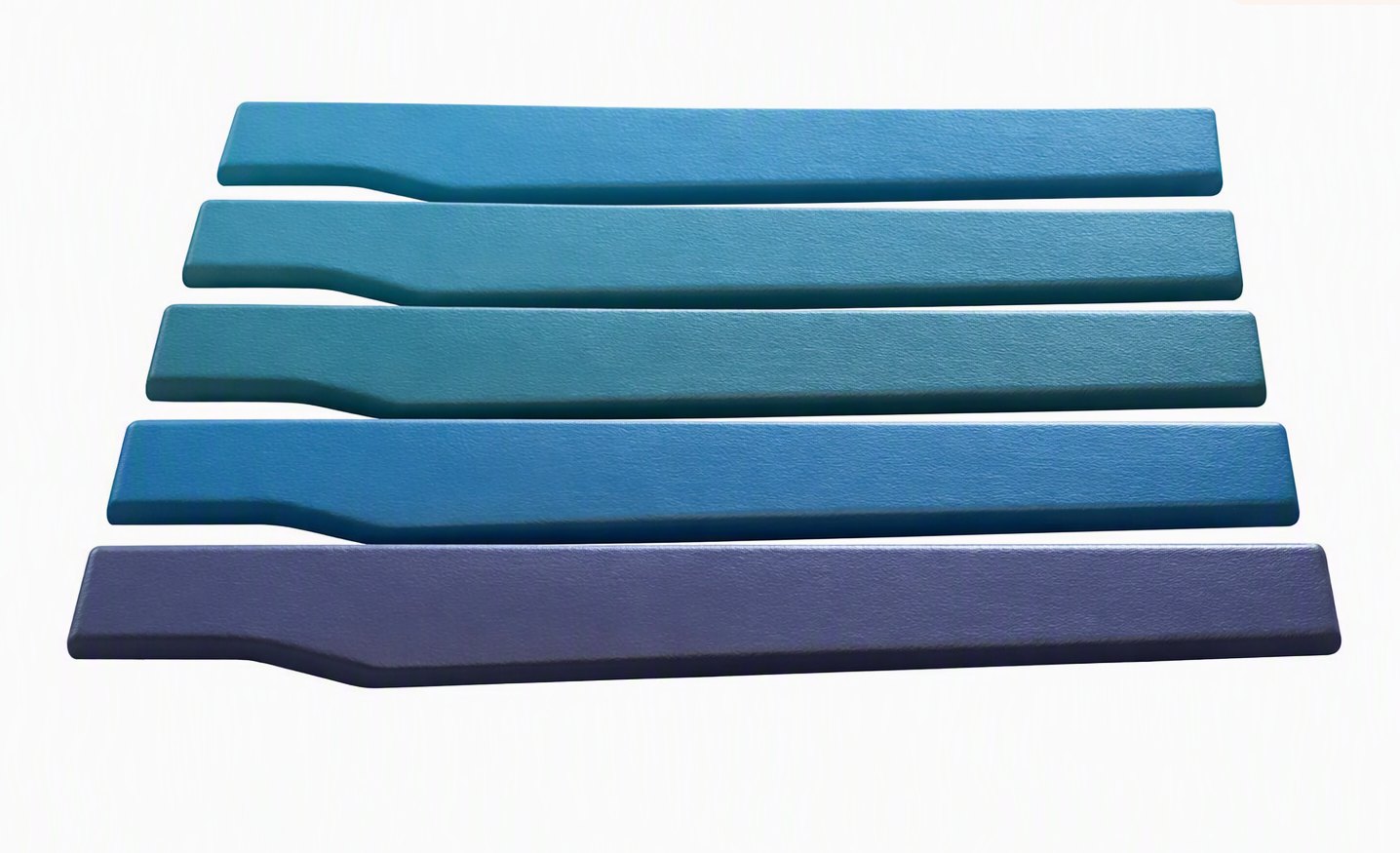
What we do
Four things under one roof
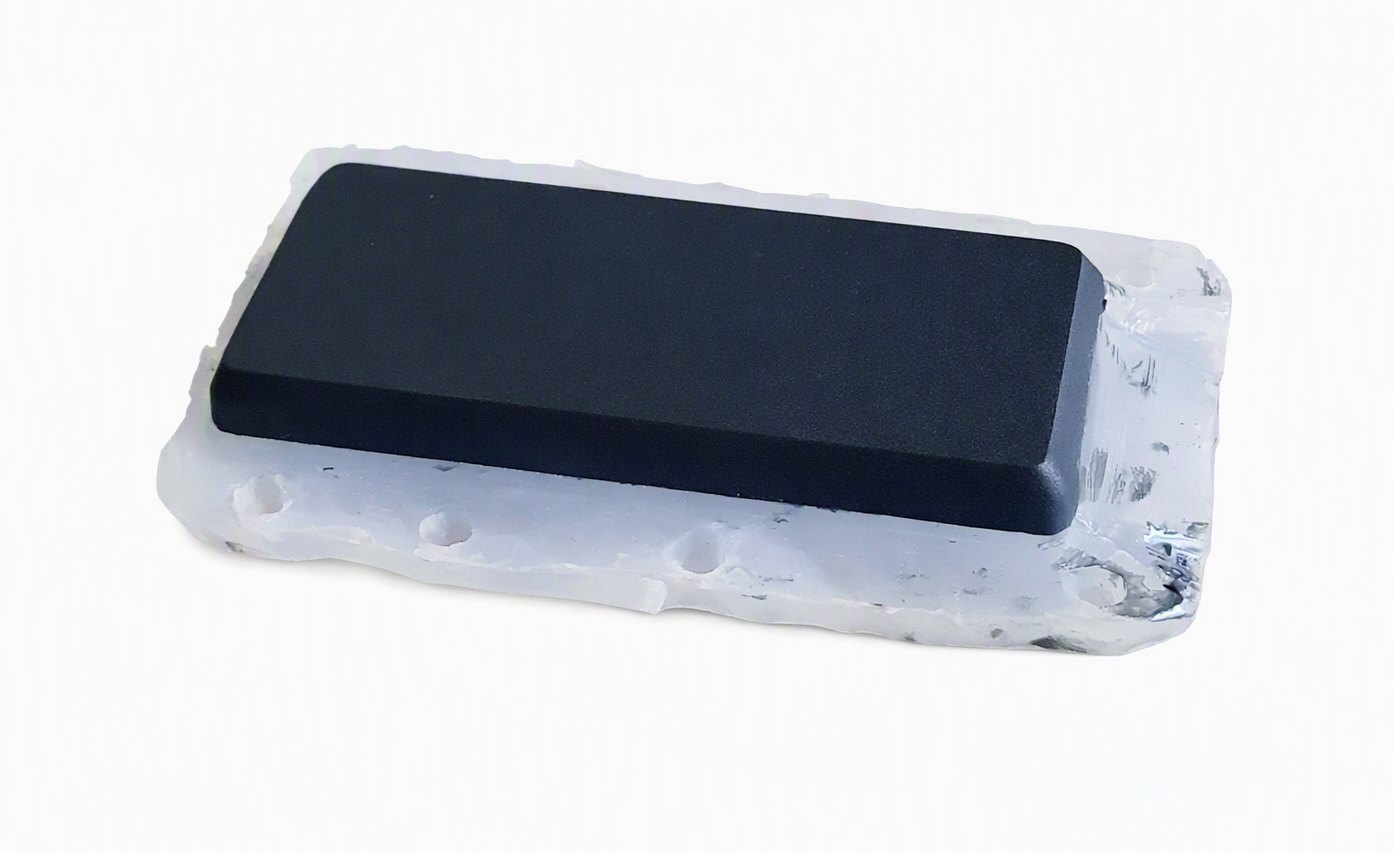
01
Silicone casting
Soft and hard silicones to suit the part — we work with Zhermack. The mould is made from your original.
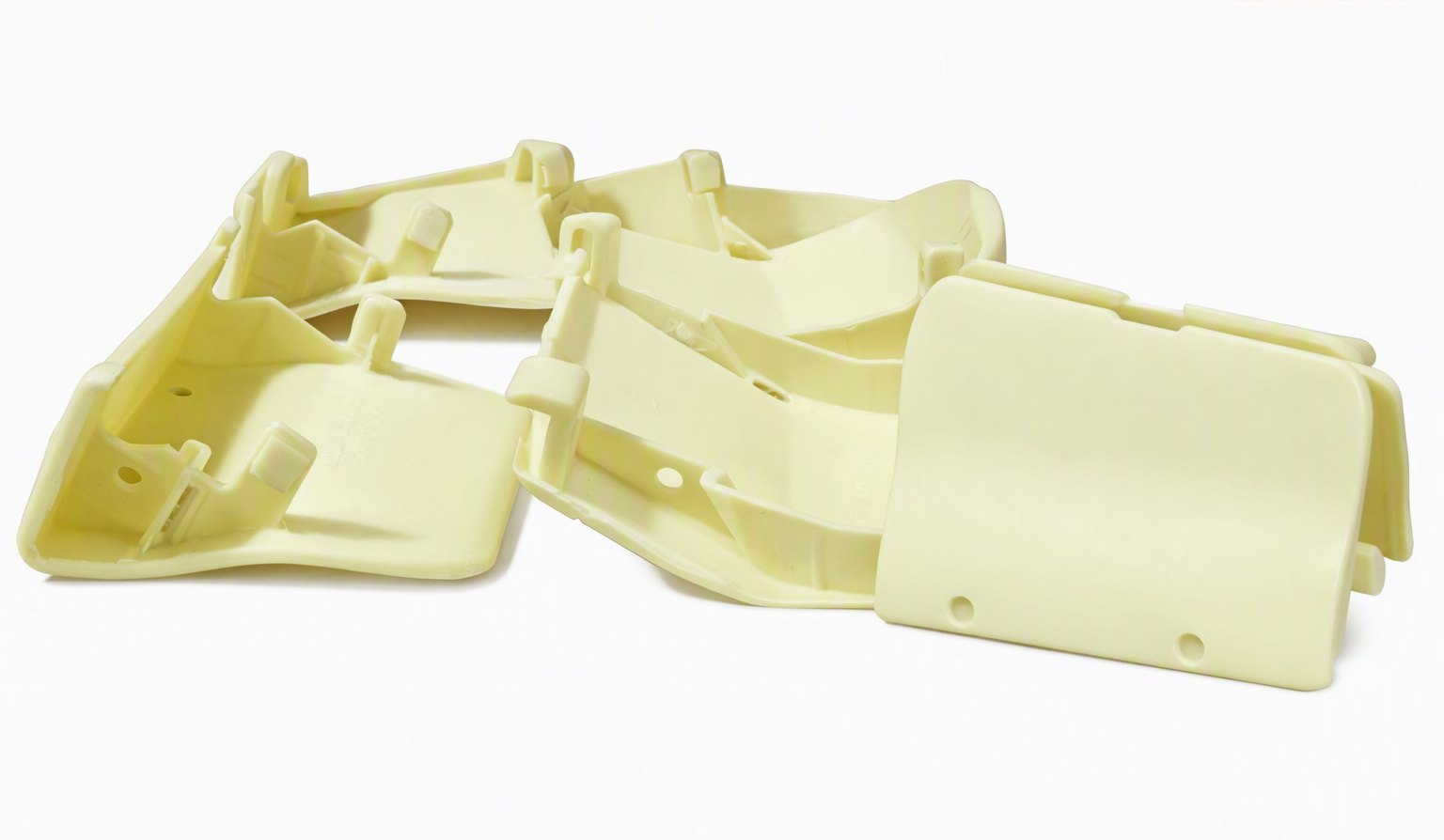
02
Resin casting
Mainly polyurethanes — rigid, elastomeric and foamed, with properties close to injection-moulded plastic. Resins by Sika, Easy Composites and others.
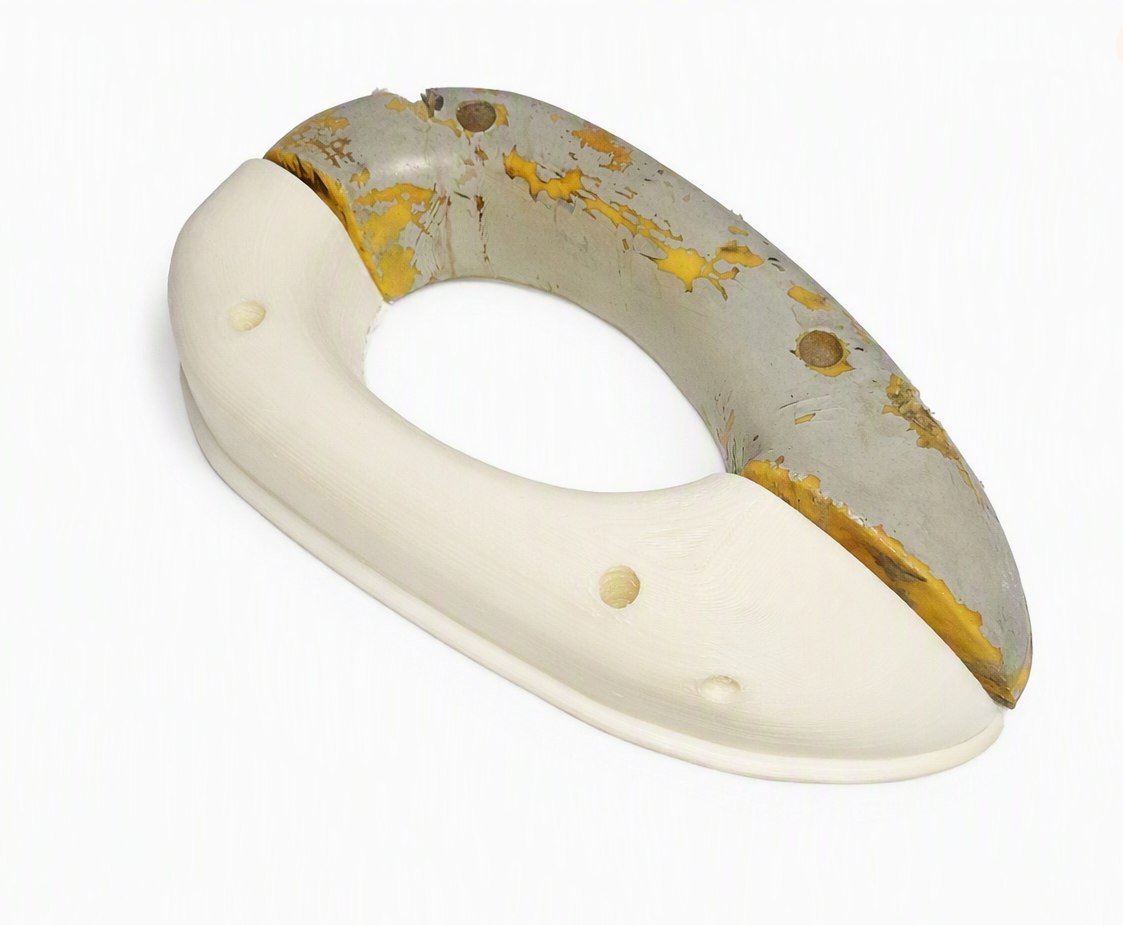
03
R&D
When there is an idea but no drawing. Construction, material choice, a working sample and testing.
04
Post-processing
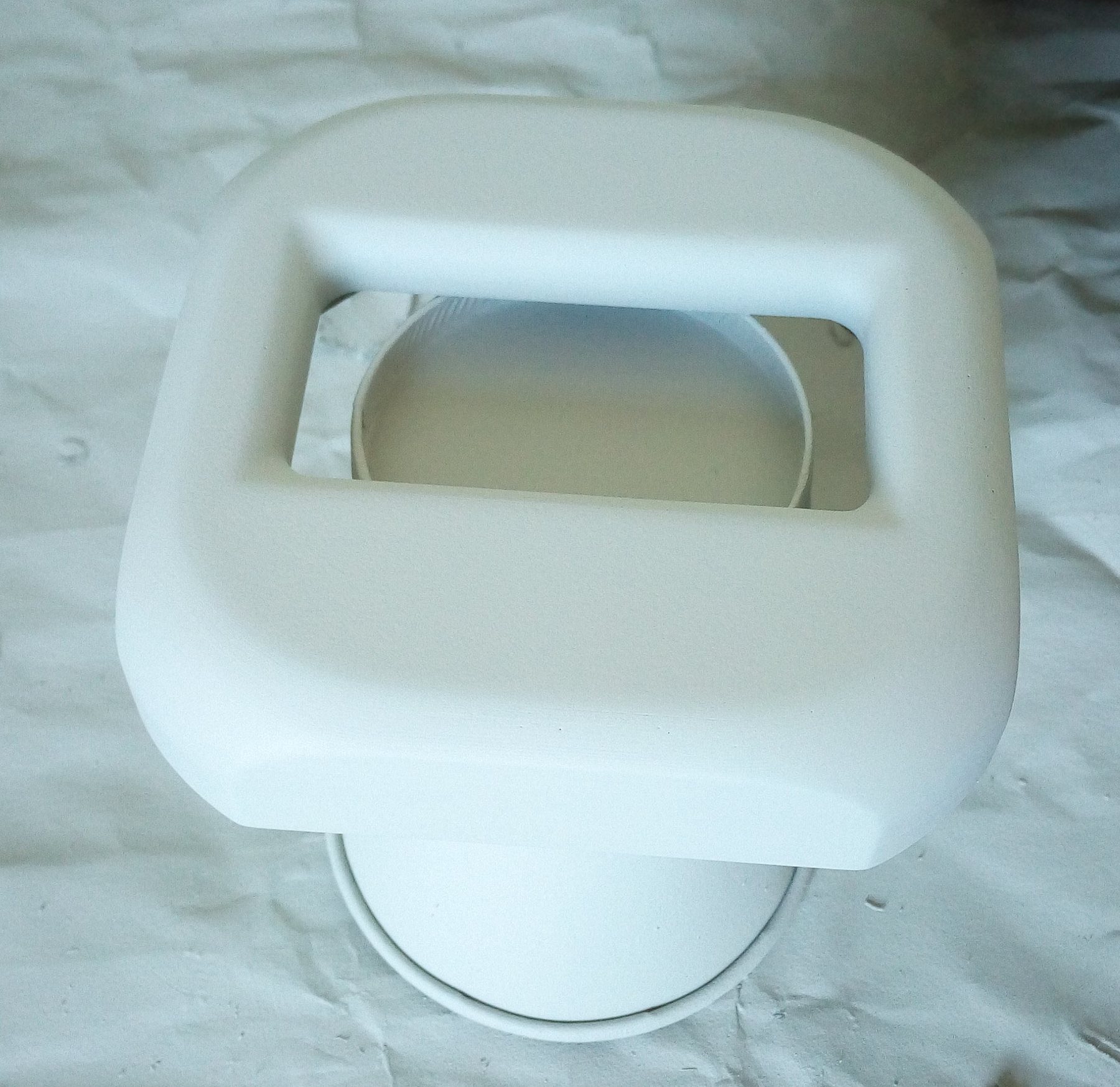
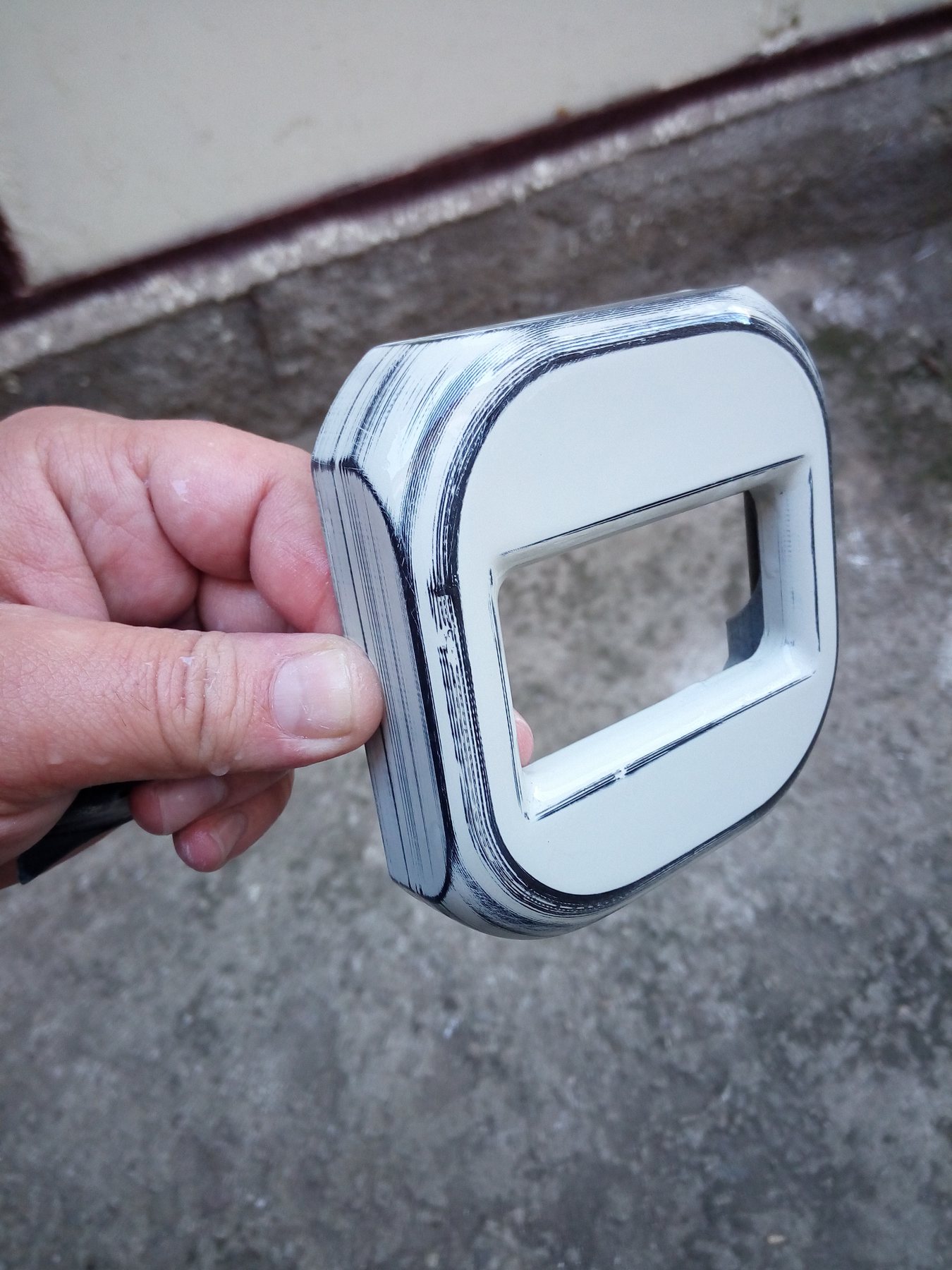
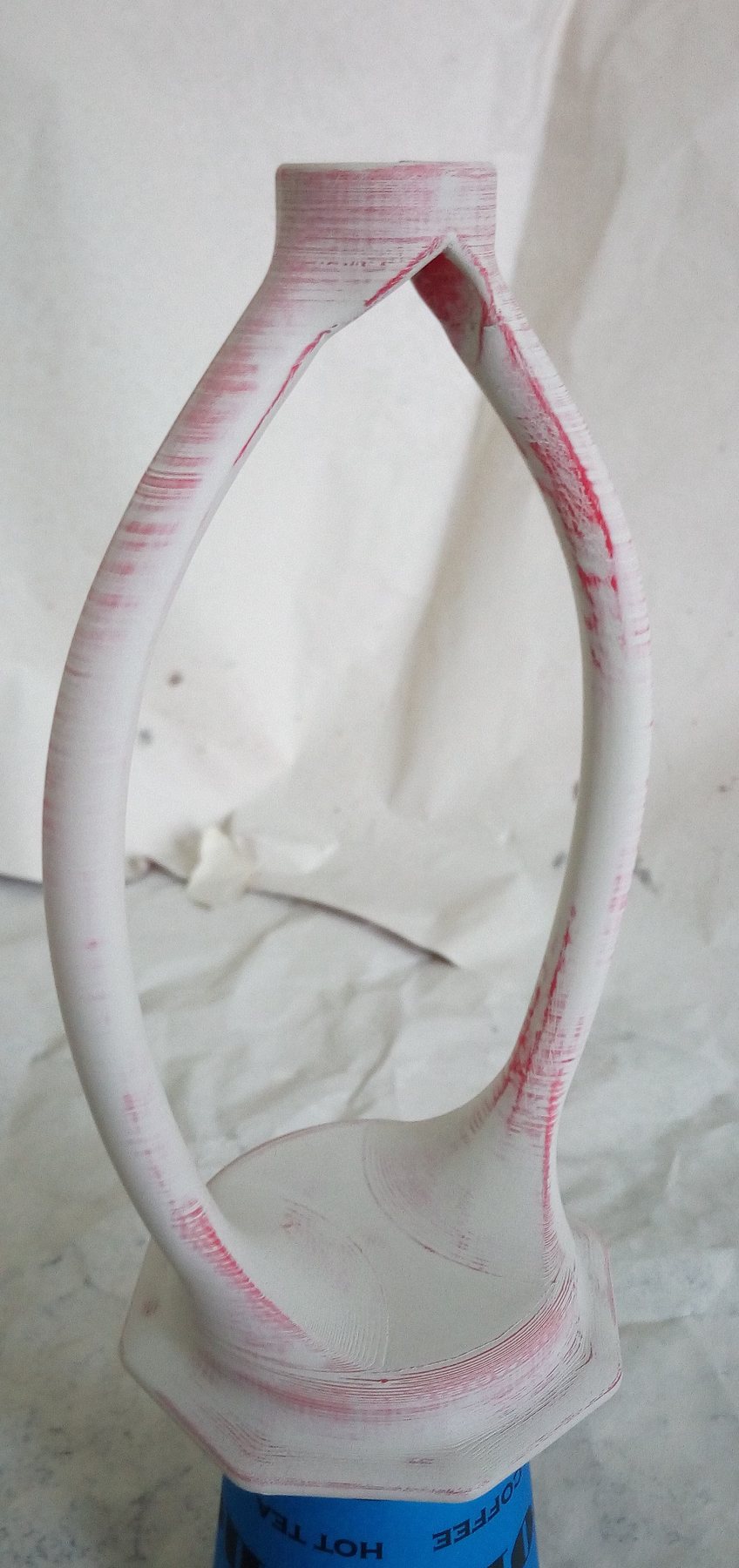
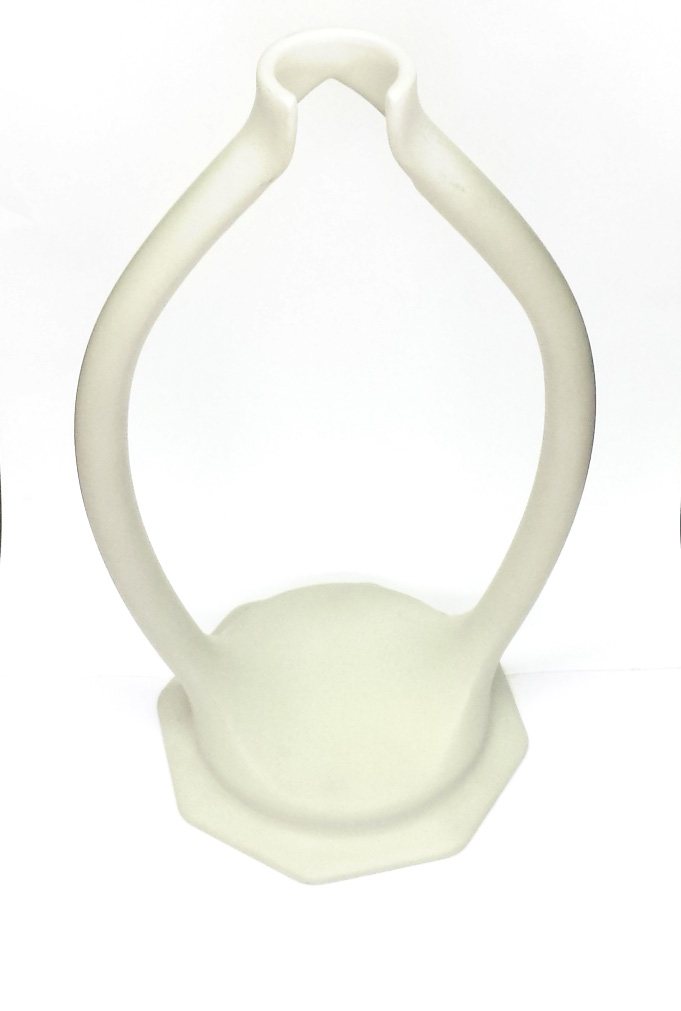
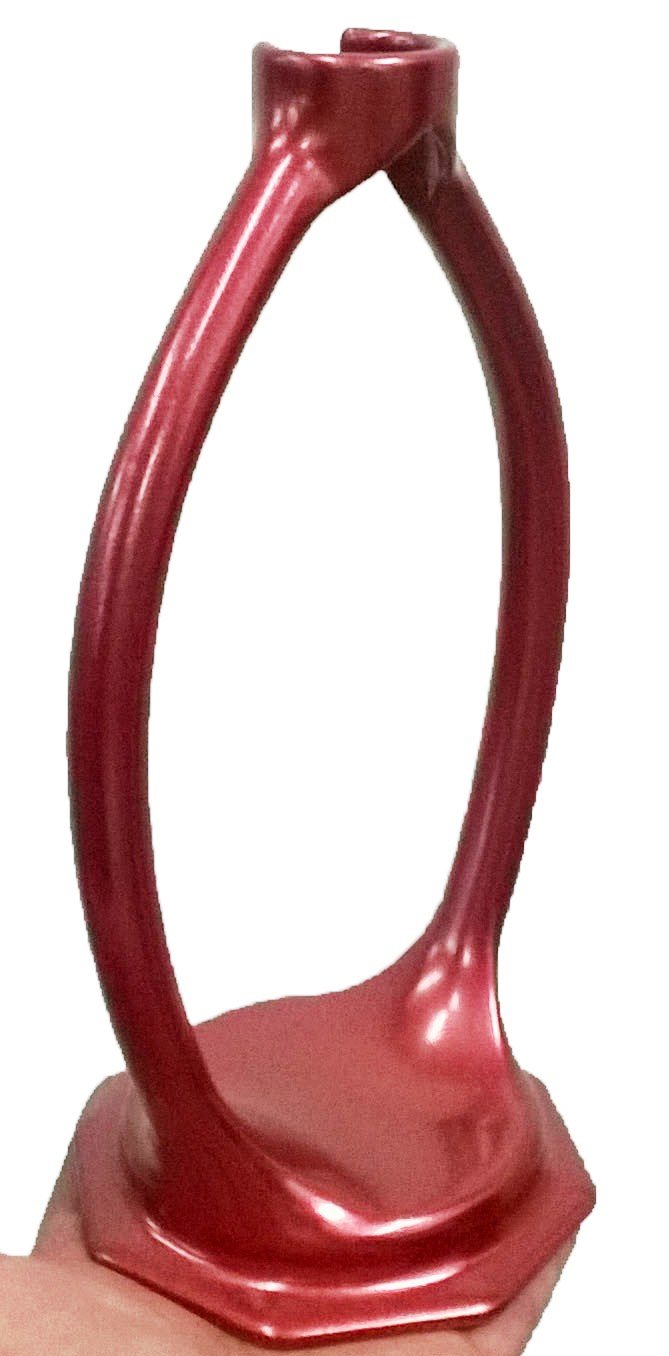
Finishing of cast and 3D-printed parts: cleaning, sanding, priming and painting.
How it works
From model to series
1. Model
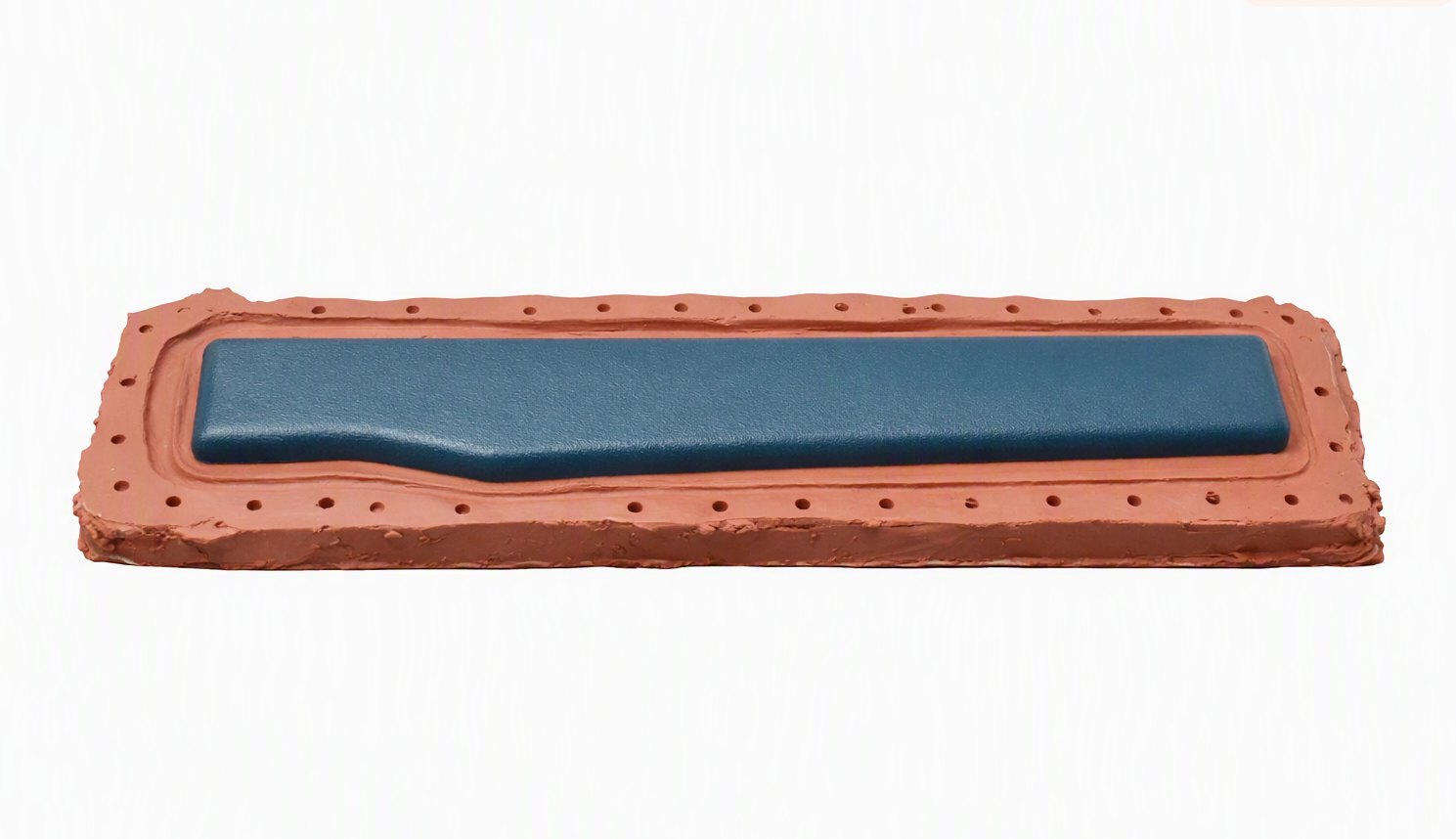
The original part or a new model, 3D printed or hand-made, set in a base for the mould.
2. Pouring the silicone
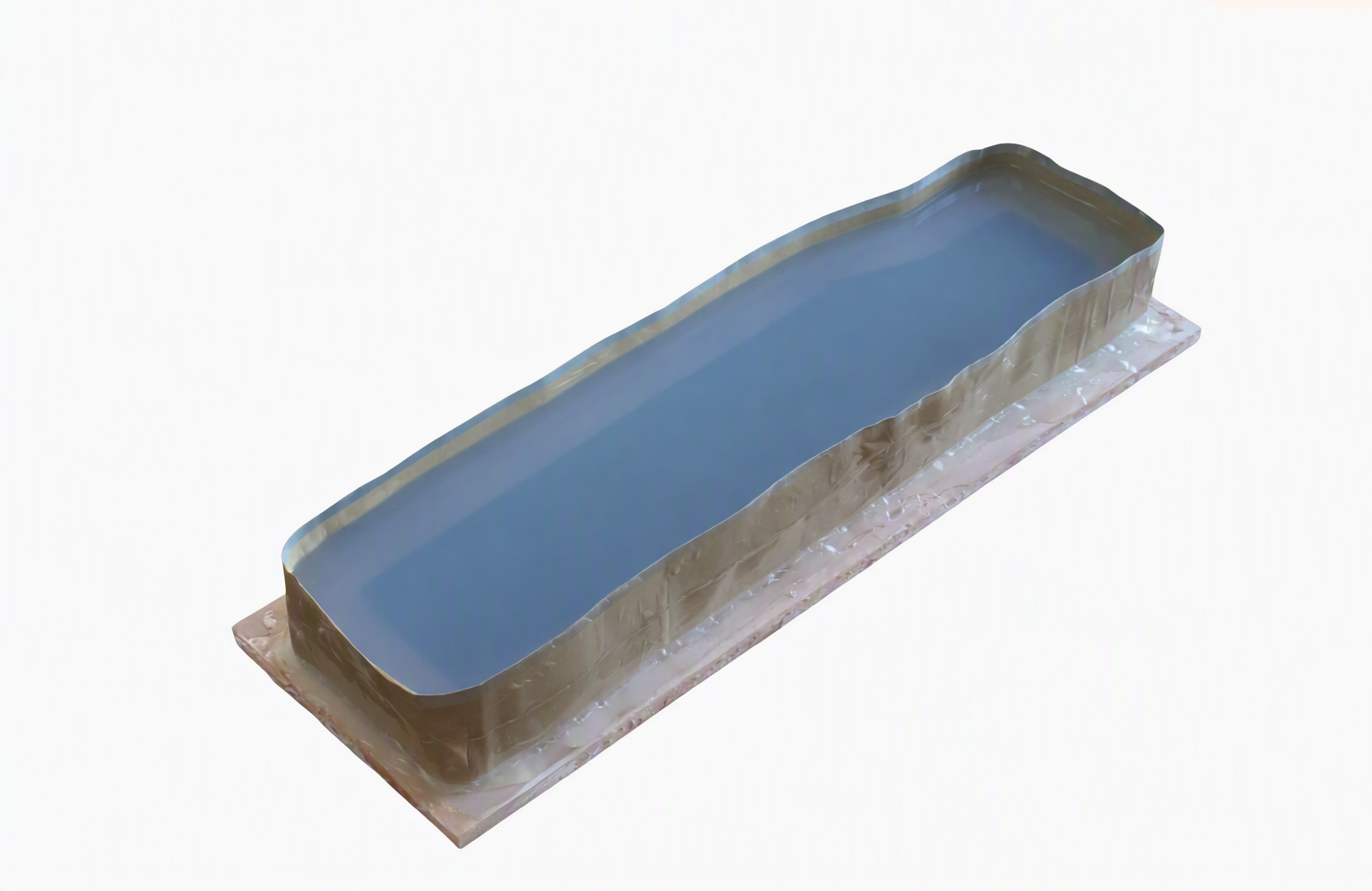
A mould box is built around the model and filled with silicone, which picks up every surface detail.
3. Silicone mould
The mould is made in parts so the casting comes out undamaged.
4. Castings
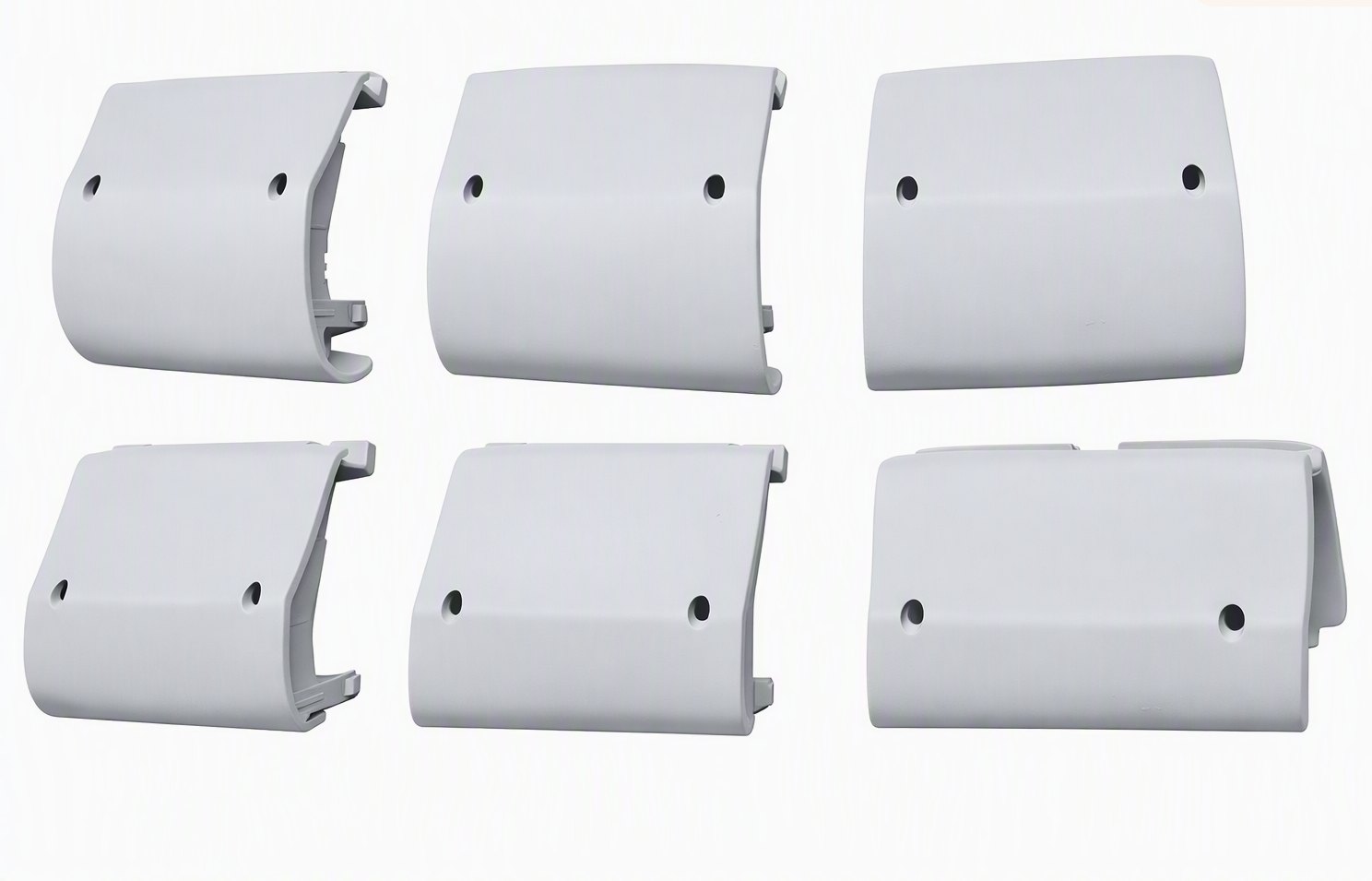
Polyurethane is cast in the required colour and hardness. One mould yields a series of identical parts.
Materials and parameters
SiliconesZhermack — soft and hard
Casting resinspolyurethanes · Sika · Easy Composites
Hardness — flexibleShore A 35 – 95
Hardness — rigidShore D up to 95D
Reinforcementglass fibres — short or long, laid along the load path
Fillersmetal powders, e.g. aluminium powder for radiators
Casting methodgravity · vacuum · complex parts under pressure
What we needthe original part or a model
When casting is worth it
In small quantities a silicone mould takes days and costs a fraction of an injection tool.
See plastic injection tooPolyurethane castings
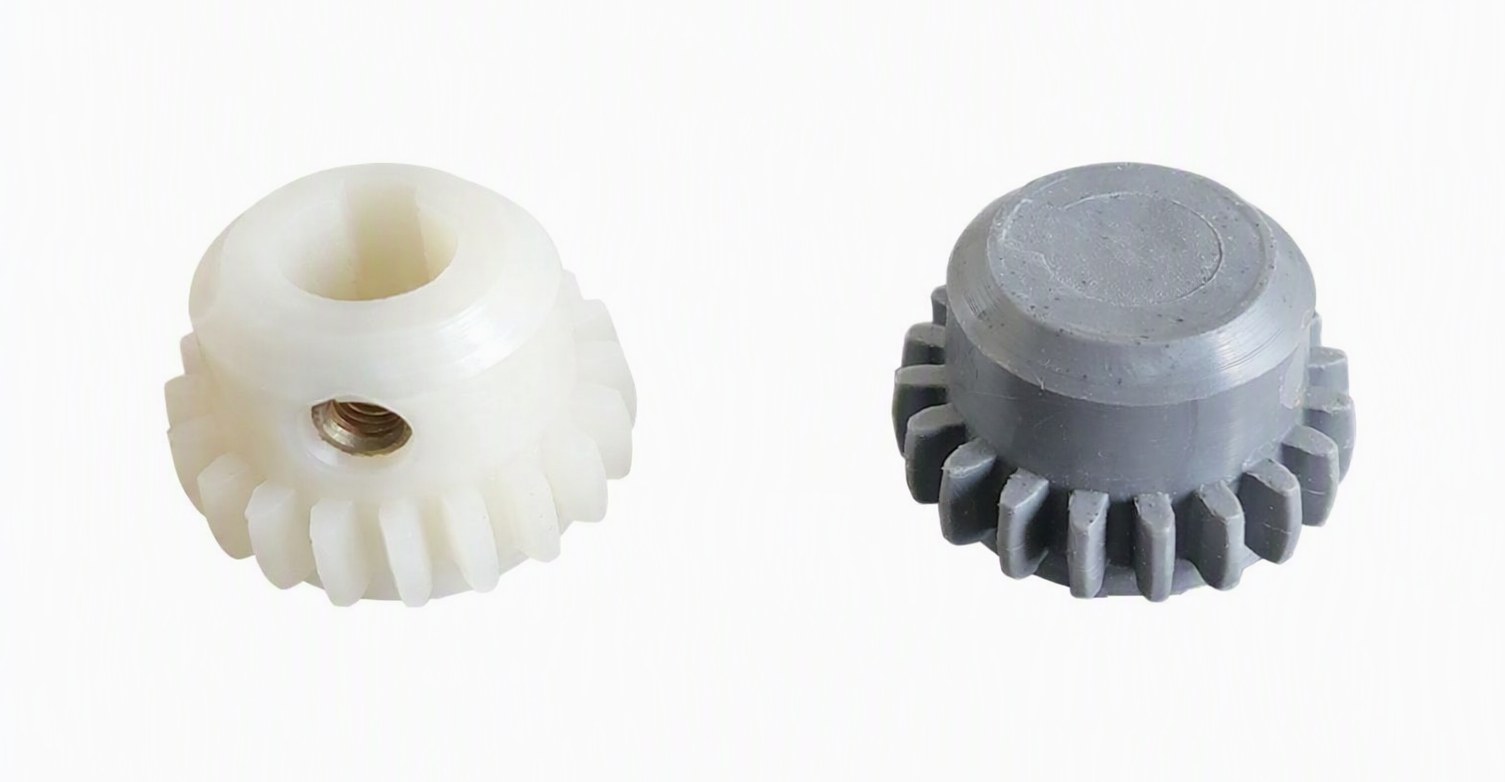
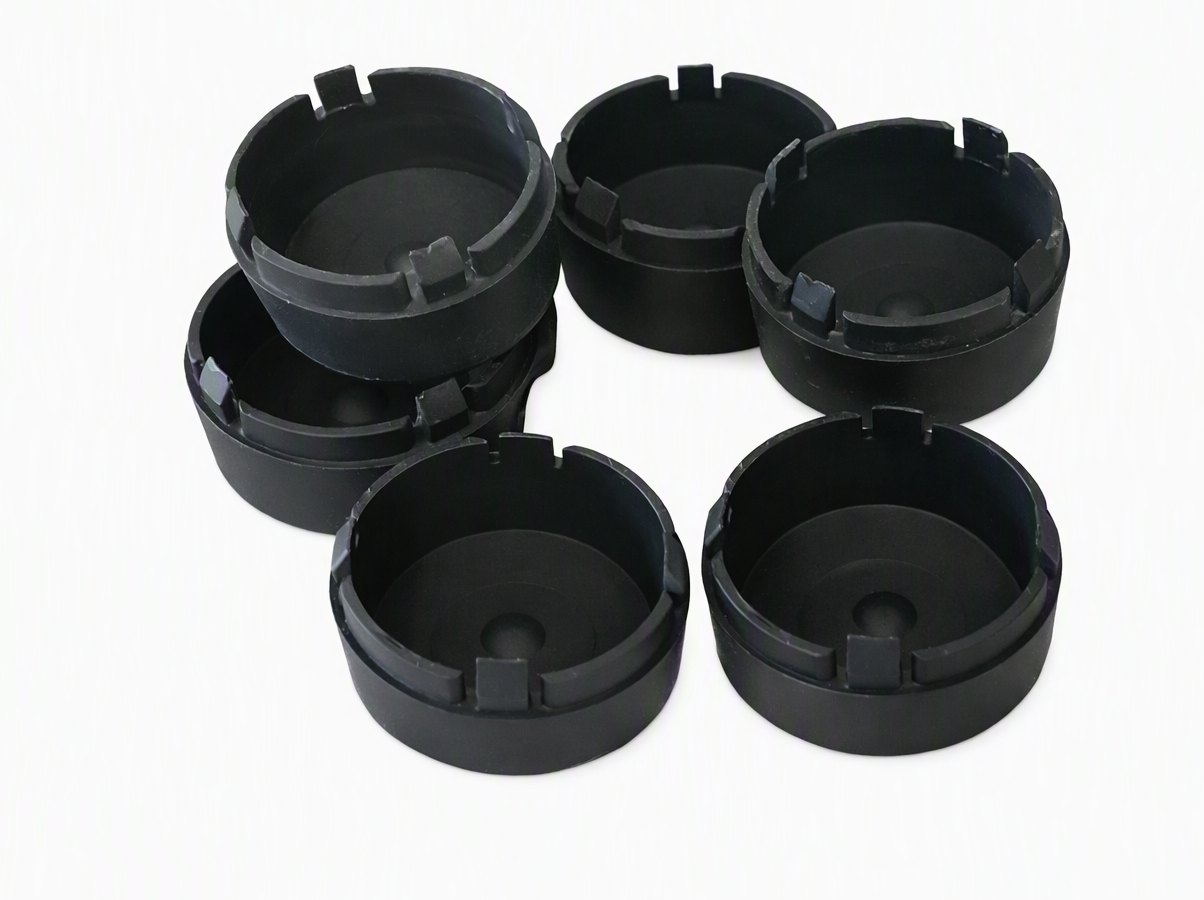
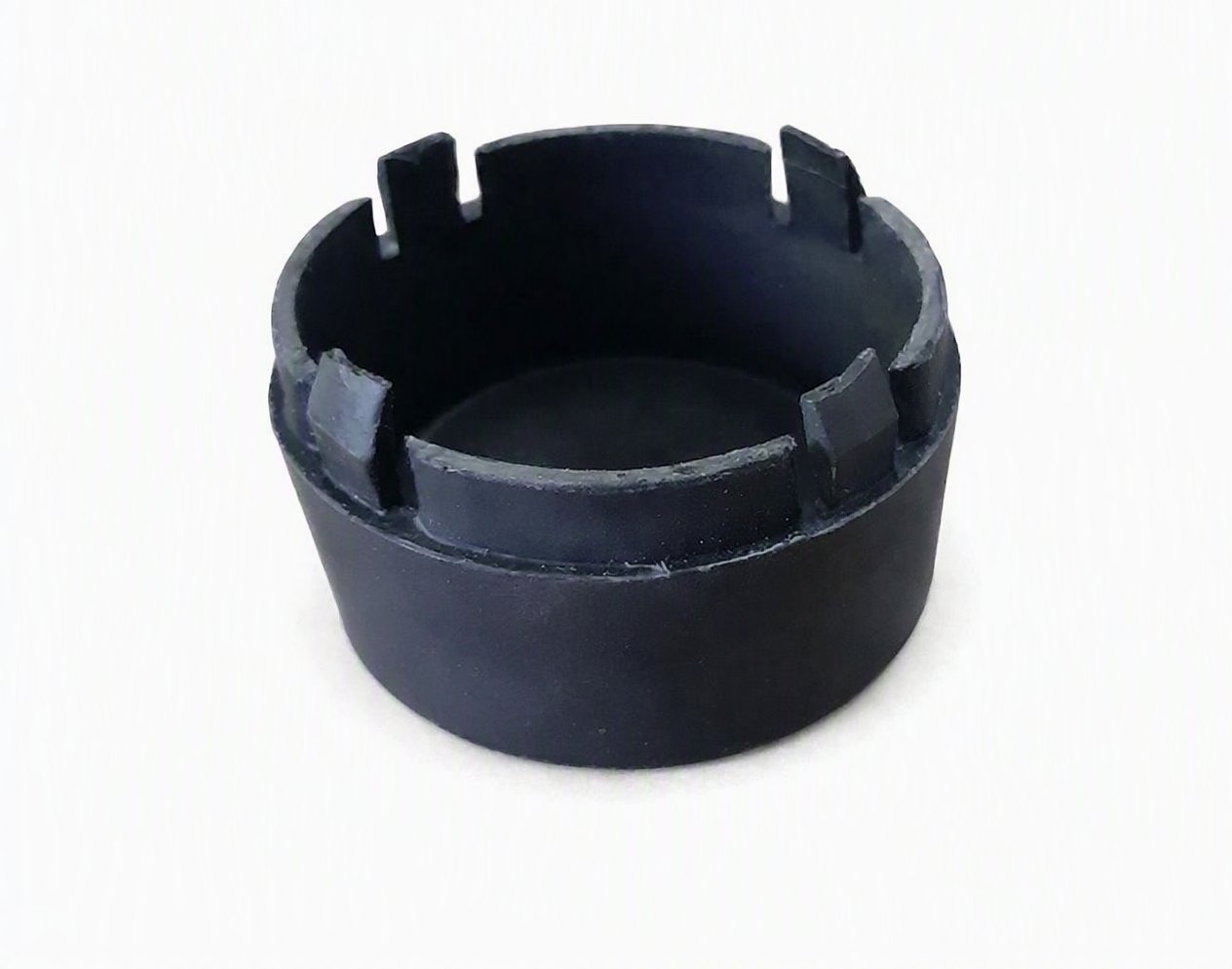
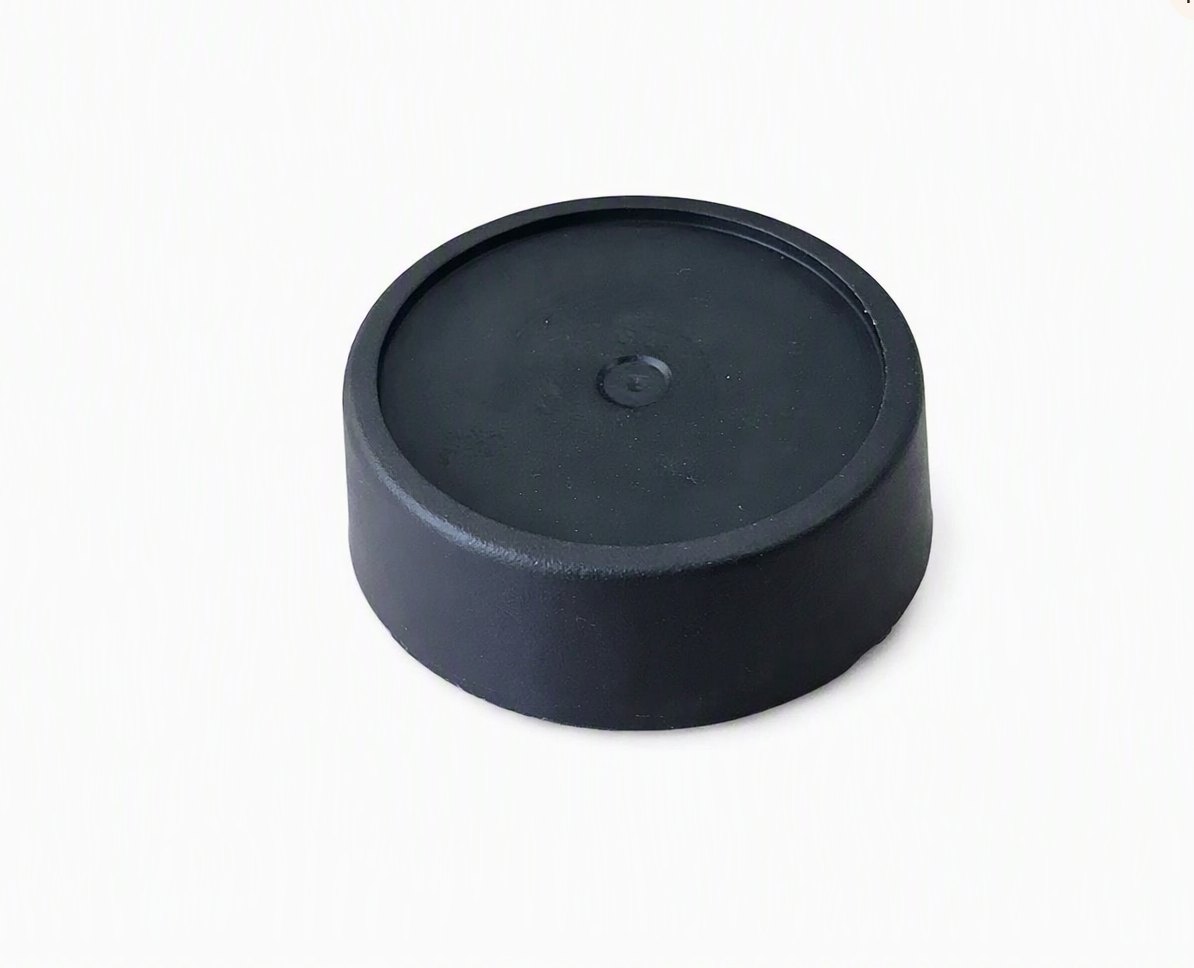
Post-processing — before and after
Describe the job — we will answer with a quote
A production component, a part to cast or to print — send us the requirements, the quantity and the deadline.